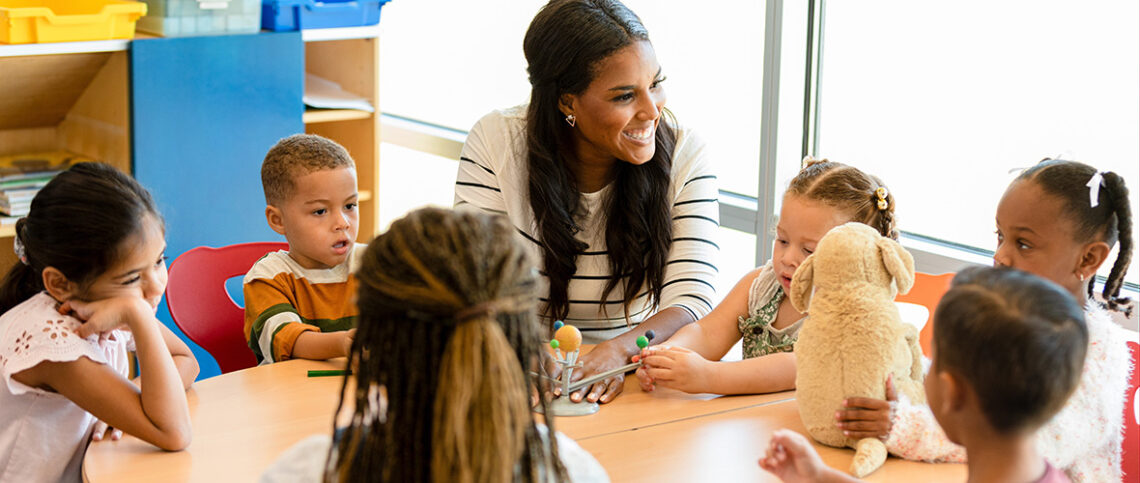
Early childhood education refers to structured learning experiences designed for young children during their most critical years of development. It focuses on learning through play, exploration, and interaction rather than strict academics.
Age Range Covered
Typically, early childhood education programs serve children from birth up to 8 years old. This includes infants, toddlers, preschoolers, and early primary learners.
Why Early Learning Is Important
Think of early learning as building the foundation of a house. If the foundation is strong, everything built on top stays solid. Early education supports brain development, social skills, and emotional stability.
What Is an Early Childhood Education Program?
Simple Definition
An early childhood education program is a planned educational approach that supports the overall development of young children through age-appropriate activities.
Core Purpose of These Programs
The main goal is to nurture a child’s physical, emotional, social, and cognitive growth in a safe and engaging environment.
How They Differ from Traditional Schooling
Unlike traditional schools, early childhood programs focus more on exploration and play rather than exams and grades.
History and Evolution of Early Childhood Education
Early Learning in the Past
In the past, children learned mostly at home through daily activities and storytelling.
Modern Early Childhood Education
Today, structured programs use research-based methods to support development more effectively.
Global Approach to Early Education
Countries worldwide now recognize early childhood education as a key factor in long-term success.
Key Goals of an Early Childhood Education Program
Cognitive Development
Children learn problem-solving, memory skills, and basic concepts through play and interaction.
Emotional and Social Growth
Programs help children understand emotions, share with others, and build friendships.
Physical Development
Activities like drawing, dancing, and outdoor play support motor skills.
Types of Early Childhood Education Programs
Preschool Programs
Preschools prepare children for kindergarten by developing early literacy and social skills.
Daycare and Childcare Centers
These programs combine care and learning in a structured setting.
Kindergarten Programs
Kindergarten acts as a bridge between early education and formal schooling.
Curriculum Used in Early Childhood Education Programs
Language and Literacy
Children learn sounds, words, and storytelling through songs and books.
Basic Math and Logic
Simple counting, shapes, and patterns introduce math concepts.
Creative Arts and Play
Art, music, and imaginative play encourage creativity.
Teaching Methods in Early Childhood Education
Play-Based Learning
Children learn best when they’re having fun. Play turns learning into an adventure.
Montessori Method
This method promotes independence and hands-on learning.
Reggio Emilia Approach
Focuses on creativity and child-led exploration.
Role of Teachers in Early Childhood Education
Teacher as a Guide
Teachers observe, encourage, and guide rather than lecture.
Building Emotional Security
A caring teacher helps children feel safe and confident.
Encouraging Curiosity
Teachers spark curiosity by asking questions and offering new experiences.
Benefits of Early Childhood Education Programs
Academic Readiness
Children enter school better prepared academically.
Social Skills Development
Kids learn cooperation, communication, and empathy.
Confidence and Independence
Children become more confident in their abilities.
Importance of Parents in Early Childhood Education
Parent-Teacher Collaboration
When parents and teachers work together, children thrive.
Learning at Home
Simple activities at home reinforce learning.
Creating a Supportive Environment
A loving environment boosts emotional growth.
Early Childhood Education Program Structure
Daily Routine
Structured routines help children feel secure.
Learning Activities
Activities are short, engaging, and varied.
Assessment and Progress Tracking
Teachers monitor growth through observation rather than tests.
Online vs Offline Early Childhood Education Programs
Traditional Classroom Programs
Face-to-face interaction supports social development.
Online and Hybrid Programs
Digital programs offer flexibility with parental involvement.
Choosing the Right Option
The best choice depends on the child’s needs and family lifestyle.
Challenges in Early Childhood Education
Attention Span of Young Children
Young kids have short attention spans.
Learning Differences
Every child learns differently.
Solutions and Best Practices
Personalized approaches and patience make learning effective.
Career Opportunities in Early Childhood Education
Preschool Teacher
Teach and guide young learners.
Childcare Specialist
Support children’s daily learning and care.
Home-Based Educator
Offer early education from home.
Future of Early Childhood Education Programs
Technology Integration
Educational apps and tools enhance learning.
Personalized Learning
Programs are becoming more child-focused.
Focus on Emotional Intelligence
Emotional skills are gaining more importance.
Conclusion
So, what is an early childhood education program? It’s more than just early learning—it’s the starting point of a child’s lifelong journey. These programs shape how children think, feel, and interact with the world. By investing in early education, we’re not just teaching kids—we’re building brighter futures.
Frequently Asked Questions (FAQs)
1. What age is early childhood education for?
It usually covers children from birth to 8 years old.
2. Is early childhood education necessary?
Yes, it supports overall development and school readiness.
3. What do children learn in early childhood education programs?
They learn social skills, basic academics, emotional control, and creativity.
4. Can early childhood education be done at home?
Yes, with guidance and structured activities, parents can support learning at home.
5. Are early childhood education programs expensive?
Costs vary, but many affordable and free programs are available.